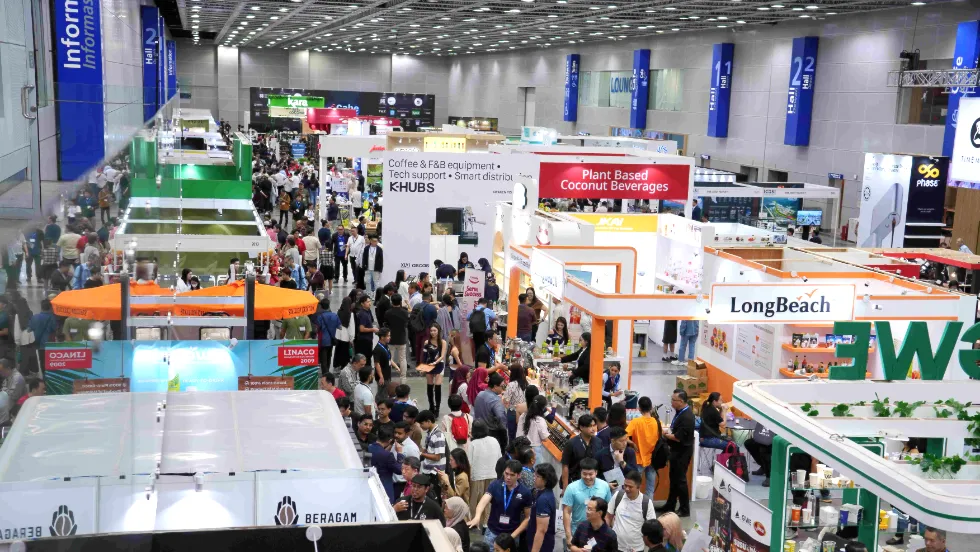
The International Café and Beverage Show (ICBS) 2026 returned to the Kuala Lumpur Convention Centre for its fifth edition, reflecting the continued growth of Malaysia’s café and beverage industry while spotlighting new ideas shaping the future of café culture.
Our visit to Malaysia’s largest beverage exhibition offered a revealing glimpse into one of Asia’s most dynamic tea and café cultures — driven by young entrepreneurs, bold concepts, and a rapidly evolving consumer market.
Travelling from Dubai to Kuala Lumpur, we arrived in search of tea trends, innovative suppliers, new flavour profiles, and fresh perspectives on hospitality beverages. Kuala Lumpur delivered all of this — and more. If Dubai is increasingly defined by coffee culture, Kuala Lumpur is unmistakably becoming a point of reference for contemporary tea culture. Visiting the International Café & Beverage Show (ICBS) 2025 only reinforced this impression.
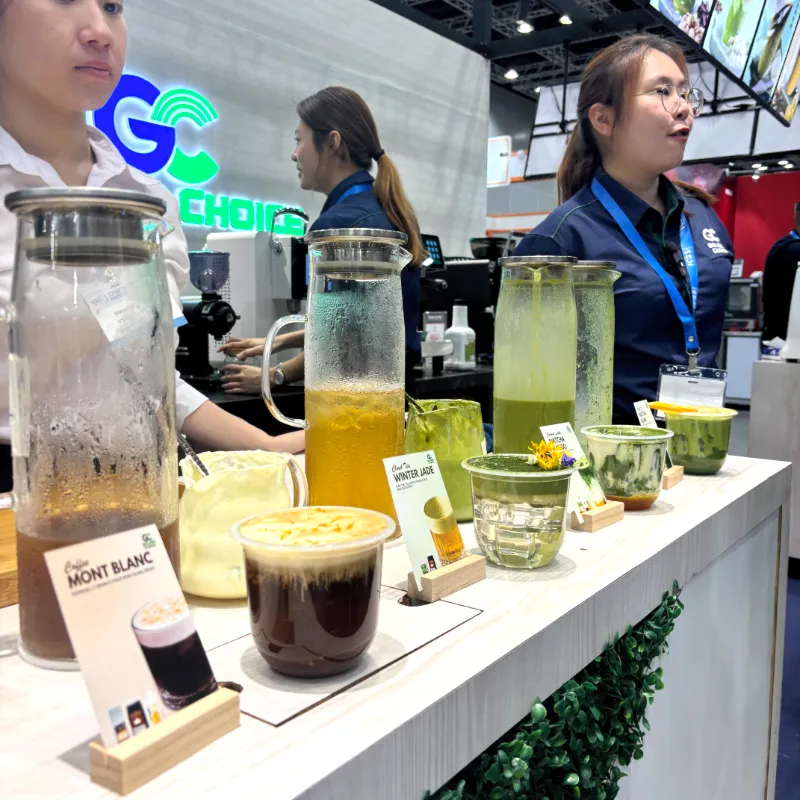
For the first time in its five-year history, the exhibition introduced a dedicated tea-focused segment, bringing together vibrant brands from Malaysia alongside exhibitors from China, Taiwan, Japan, and Hong Kong. The result was an energetic showcase of how tea is being reinvented for a younger, more experience-driven generation of consumers.
The scale of the exhibition reflected a market with strong momentum. Over three days, ICBS welcomed more than 650 brands, 1,000 baristas, and 2,000 café owners, attracting approximately 13,000 visitors from 55 countries. International participation increased significantly this year, and conversations across the exhibition floor — between producers, operators, distributors, and buyers — revealed a business dynamics increasingly sophisticated, regional, and interconnected.
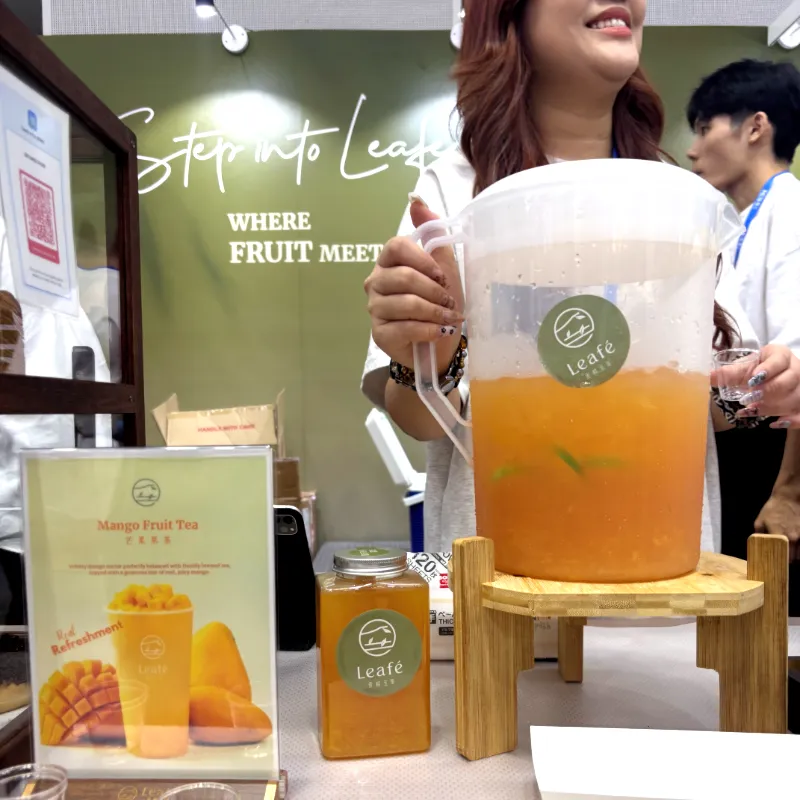
This year’s tea pavilion highlighted a broader shift already visible across café menus throughout Southeast Asia. Coffee remains dominant, but tea is rapidly evolving beyond its traditional role, emerging as a premium lifestyle beverage with strong cultural and experiential value. Alongside artisanal teas, the exhibition showcased advanced brewing technologies, ready-to-drink concepts, functional beverages, and hybrid formats blending tea, coffee, and mixology into categories the market is still learning how to define.
Coffee, however, remained central to the event through the Malaysia Open Coffee Championship (MOCC), which featured 38 competitors across three categories: the Malaysia Open Barista Championship, Malaysia Open Brewers Cup, and Malaysia Open Latte Art Championship. Judges observed a growing tendency among competitors to incorporate local ingredients and unconventional techniques into their routines, signalling a barista community evolving beyond technical precision toward genuine creative expression.
One noticeable absence was a dedicated tea competition — although organisers hinted this may change in future editions as tea continues to gain commercial and cultural importance across the region.
Beyond the exhibition halls, Kuala Lumpur itself is a vitrine for this booming tea culture. Tea-focused concepts are flourishing across malls, lifestyle districts, and high streets, creating an ecosystem where tea is no longer niche but fully integrated into contemporary urban hospitality.
Among the standout concepts was contemporary Chinese tea and bakery chain Naisnow, which is successfully modernising Chinese tea culture for younger international audiences. At the other end of the spectrum, traditional tea houses such as Hi Tea Malaysia presented rare and refined teas and serve even Chinese cuisine cooked with tea! Meanwhile, brands like Beutea captured the attention of younger consumers with fruit-based and milk-based tea creations, playful flavour combinations, and visually engaging brewing formats that attract customers as young as twelve years old visiting tea houses socially with friends.
The broader picture emerging from ICBS 2026 is that of an industry actively redefining itself. Independent cafés still account for a large share of Malaysia’s café market, even as ambitious local chains scale aggressively. This dynamic is pushing operators toward faster menu innovation, sharper concept differentiation, and a deeper understanding of changing consumer preferences in cities such as Kuala Lumpur, Penang, and Johor Bahru.
In this context, what began at ICBS 2026— whether a new beverage category, an innovative brewing technique, or a local flavour reimagined for modern consumers — may well define the next phase of Southeast Asia’s hospitality landscape.
We will surely be back next year!