As consumers seek novelty and visual appeal, tea menus are evolving far beyond the traditional brew.
Looking back at our predictions of trends that would shape the tea sector in 2026, we now delve deeper into how format and flavor expectations from consumers are evolving. The novelties that stand out the most are coming from flavor innovation and iced formats. Across the sector, success is increasingly tied to offering beverages that feel distinctive, visually appealing and worth buying out of home.
New Flavours

One of the clearest flavour directions for 2026 is the rise of teas with added flavour profiles, particularly in herbal, green and white tea formats. Omar Maharsi, co-founder at Finisya Hospitality Solutions, a consultancy that provides end-to-end development and management of café and restaurant concepts across the Middle East, says that “Consumers in 2026 are looking for herbal teas, with fruity flavors, as well as green and white tea with flavors.” This points to strong potential for blends with flavours such as peach, citrus and mint, giving operators a way to refresh tea menus with options that feel both familiar and more premium.
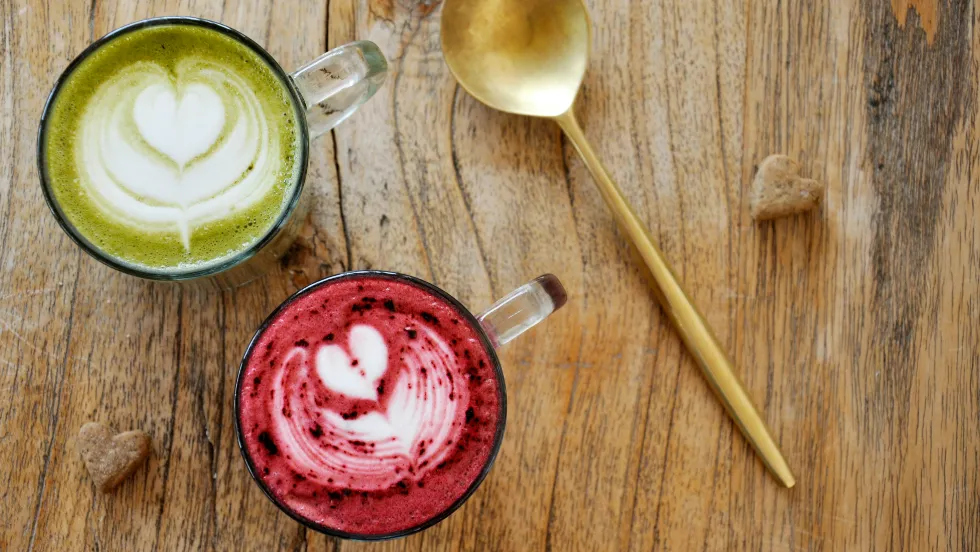
Alongside this, more adventurous flavours are now solidly in the mainstream. Asian-inspired options such as flavored matcha and ube are gaining ground as consumers lean toward bolder and more visually distinctive beverages. Marc, Assistant Sales Manager at Ibubble Tea House, a distributor of tea flavors to the UAE and Saudi Arabia, says the company started selling powdered ube — a purple yam from the Philippines with a sweet, vanilla-like taste — in December 2025 and it is now one of their bestsellers, underlining how quickly a once-niche flavor can become commercially important.
Matcha is proving even more influential. Maharsi says: “Matcha is the number one seller among all teas. Particularly flavoured matcha.” For operators, trending flavours are more than just a branding exercise; they can have direct effects on revenue. Maharsi points to a successful UAE café launched by Finisya that was making around USD 12,000 a day, with roughly USD 6,000 of that coming from matcha alone. Regarding flavoured matcha, he also explains the impact of introducing sakura matcha — a matcha blended with sakura, or Japanese cherry blossom, which gives it a delicate floral sweetness an pink colour — at a restaurant in Abu Dhabi around 2 years ago when the sakura matcha trend was just beginning. Before the launch, the business was making around USD 150 to USD 300 a day from matcha and around USD 2,000 in total daily sales. After adding sakura matcha, matcha sales rose to around USD 2,000 to USD 3,500 a day, while total daily sales climbed to roughly USD 6,800 to USD 8,000 for three months in a row. Taken together, these figures show how the right flavor trend, introduced at the right moment, can transform beverage performance.
Iced and Cold Brew Beverages
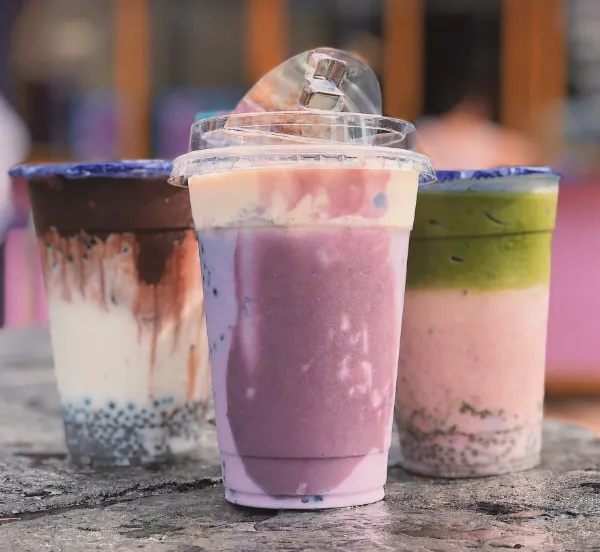
Cold tea beverages is one of the most dynamic areas of the market in 2026. Food Navigator reported that Gail’s bakery in the UK is expecting “massive growth” in the area of iced drinks, particularly their homemade iced tea featuring exotic mixes of flavours, such as strawberry with Darjeeling tea and Szechuan peppers. This trend reflects growing demand for beverages that are lighter, less sweet and more adaptable to a wide range of flavour profiles.
Cold brew is also continuing to evolve within tea. One notable example is East Forged, the Australian brand whose nitrogen-infused cold-brew tea won the Best Drink Innovation award at the 2026 World Food Innovation Awards in London. Its success highlights how tea can move beyond traditional hot service into more modern, textural and premium formats that better compete in the specialty beverage market.
That opportunity is significant because tea still often underperforms in foodservice. Maharsi explains that “The percentage of tea out of coffee sales is not much, because most restaurants offer basic tea selections and don’t market them well.” He adds that consumers often feel tea is easy to make at home, meaning operators must work harder to justify the purchase. In his view, tea needs creativity and a clearer point of difference if it is to claim a larger share of beverage sales. That makes cold brew tea, nitrogen infusion and more imaginative iced tea concepts especially relevant in 2026, as they offer exactly the kind of uniqueness consumers are less likely to replicate in their own kitchens.